With temperatures falling and energy bills continuing to put pressure on households, Calon Hearts is warning that turning down the heating to save money could be putting extra strain on your heart, as research from Public Health Wales highlights the health risks associated with cold temperatures.
For many families across Wales, turning down – or even switching off – the heating can seem like a sensible way to save money. But spending long periods in a cold home can have serious consequences for your health, particularly your heart.
Research published by Public Health Wales in May 2026 found that during the winter of 2024–25, Wales experienced 78 cold days, defined as periods of at least two consecutive days when the average daily temperature was 2°C or below.
On these days, there were approximately six more deaths recorded each day compared with other winter days. People aged 85 and over were particularly affected, although researchers stressed that the findings showed an association rather than proving cold weather directly caused the deaths.
And it's not just the weather outside that matters.
A separate Public Health Wales study, published in March 2026, examined the experiences of 15 people living on low incomes who also had long-term health conditions.
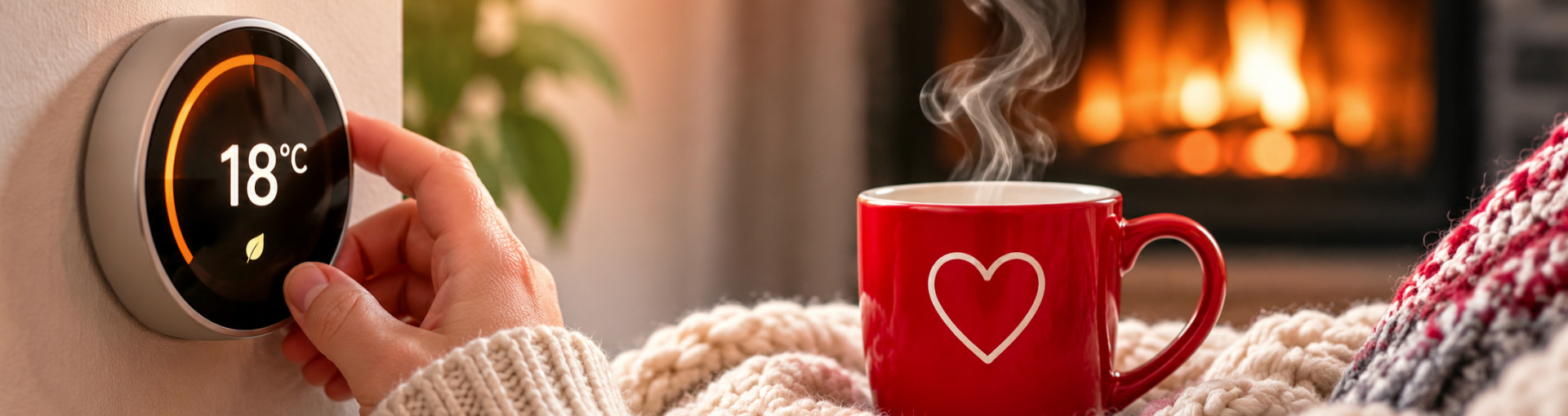
Around half had living room temperatures below 18°C, with some recording temperatures as low as 13.3°C.
Almost all described struggling with heating costs, with some wearing coats indoors, using hot water bottles or going without other essentials to keep warm.
Dr Hayley Janssen, Public Health Researcher at Public Health Wales, said:
"This research demonstrates the challenges that people on a low income face in being able to afford to heat their homes to a consistent and comfortable level to maintain their health, and the negative impacts this has on their mental and physical health and well-being."
Why does the cold affect your heart?
When we're cold, our blood vessels narrow as the body tries to conserve heat. This can increase blood pressure and make the heart work harder to pump blood around the body.
Cold exposure can also increase the tendency for blood to clot, contributing to the increased risk of heart attacks and strokes associated with cold weather.
For most healthy people, these changes may not cause significant problems. However, for older people and those living with existing cardiovascular conditions, the additional strain can be more serious.
Research by Public Health Wales has found consistent evidence linking indoor temperatures below 18°C with negative health effects, including cardiovascular and respiratory problems.
Sharon Owen, Founder of Calon Hearts, said:
"We know that many families are facing difficult choices when it comes to heating their homes, and nobody should have to choose between keeping warm and paying their bills.
"But it's important that people understand the impact cold temperatures can have on their heart, particularly if they already have a heart condition. Our message is simple: keep warm where you can, look out for those who may be vulnerable and never ignore symptoms that don't feel right."
How warm should your home be?
Public Health Wales advises keeping your home warm, recommending around 21°C for living rooms and 18°C for bedrooms.
NHS guidance recommends keeping rooms you regularly use at a minimum of 18°C, particularly if you have an existing health condition. Some people, including older people and those with certain medical conditions, may need warmer temperatures to stay comfortable and well.
That doesn't necessarily mean heating every room in your home throughout the day. Simple measures can help retain warmth and manage heating costs:
- Close doors to keep warmth in the rooms you're using.
- Close curtains when it gets dark to reduce heat loss.
- Wear several thinner layers of clothing rather than one thick layer.
- Keep moving indoors where possible.
- Have regular hot drinks and meals to help stay warm.
If you're struggling with heating costs, the Welsh Government's Warm Homes Nest scheme can provide advice and support.
Don't ignore changes in how you feel
Winter can make it easy to dismiss symptoms such as tiredness or breathlessness as simply being caused by the cold.
But unusual breathlessness, chest discomfort, dizziness or extreme tiredness shouldn't be ignored, particularly if you already have a heart condition.
If symptoms are new, persistent or concerning, seek medical advice. If you experience symptoms that could indicate a heart attack, including sudden chest pain or pressure, call 999 immediately.
Knowing what's happening inside your heart
Calon Hearts know that serious heart conditions don't always come with obvious warning signs. Someone can look and feel perfectly healthy while living with an underlying condition they know nothing about.
Since 2012, Calon Hearts have screened more than 38,000 hearts, helping to identify potential abnormalities and refer people for specialist assessment where needed.
While screening cannot detect every heart condition, it can help identify certain problems that might otherwise go unnoticed.
As we move into winter and temperatures start to fall, the message is simple: keep warm, stay active where you can, look after those around you and don't ignore unusual symptoms.
And remember, knowing more about your heart could make all the difference.
Screen early. Save lives.